
How to Become a Police Officer: Training and Career Steps
Learn how to become a police officer, from meeting basic requirements and completing the academy to passing background checks and launching a public service career.

By Rahul Iyer
Becoming a police officer is a rewarding career path for people who want to serve their communities, uphold the law, and handle situations that require quick thinking and integrity. The process takes time, preparation, and a clean record, but the steps are well defined. Whether you are a high school student planning ahead, a college student exploring criminal justice, or an adult considering a career change, understanding the path from applicant to sworn officer helps you prepare with confidence. This guide walks you through the education, training, testing, and hiring stages so you know exactly what to expect when learning how to become a police officer.
Understand the Core Requirements for Police Officer Careers
Most police departments in the United States set a common baseline of eligibility. While specific requirements vary by state and agency, you can expect to meet several standards before you can apply. Knowing these early helps you avoid surprises and build a strong application.
Typical minimum requirements include:
- Be at least 21 years old (some agencies accept 18 for certain roles, but 21 is common for sworn officers).
- Hold U.S. citizenship or lawful permanent residency, depending on the department.
- Possess a high school diploma or GED; many agencies prefer or require some college credit.
- Have a valid driver's license and a clean driving record.
- Pass a background check with no felony convictions and no disqualifying misdemeanors.
- Meet physical fitness and medical standards, including vision and hearing requirements.
Because departments differ, always check the specific requirements of the agencies you plan to apply to. Some larger departments offer cadet or explorer programs for younger candidates, which can provide early exposure and improve your chances later. Meeting the basic requirements is only the first filter; the hiring process also evaluates your judgment, communication skills, and temperament.
Build Your Education and Skills Before Applying
Education plays a growing role in police hiring. While a high school diploma may be the minimum, many departments now prefer candidates with an associate or bachelor's degree, especially for advancement and specialized units. Degrees in criminal justice, criminology, psychology, sociology, or public administration are common, but any field that strengthens your writing, critical thinking, and communication skills can be valuable.
If you are considering a college pathway, explore how different programs fit your schedule and budget. Students often compare campus and online options to find flexibility. For those interested in healthcare careers as an alternative, our guide on how to become a registered nurse: steps and degree paths shows how structured educational steps translate into professional licensing, a principle that also applies to law enforcement training. Additionally, understanding the length and commitment of professional programs helps you plan. Our article on how long it takes to become a doctor illustrates how advanced careers require long-term planning, which is useful context when you map out your own timeline for police academy and any college coursework.
Beyond formal education, develop skills that police departments value: clear writing, conflict resolution, physical fitness, and computer literacy. Volunteer work, internships, or jobs in security, emergency services, or community organizations can strengthen your application and show a commitment to public service. Learning a second language is also a significant advantage in many communities.
Complete the Police Academy and Training
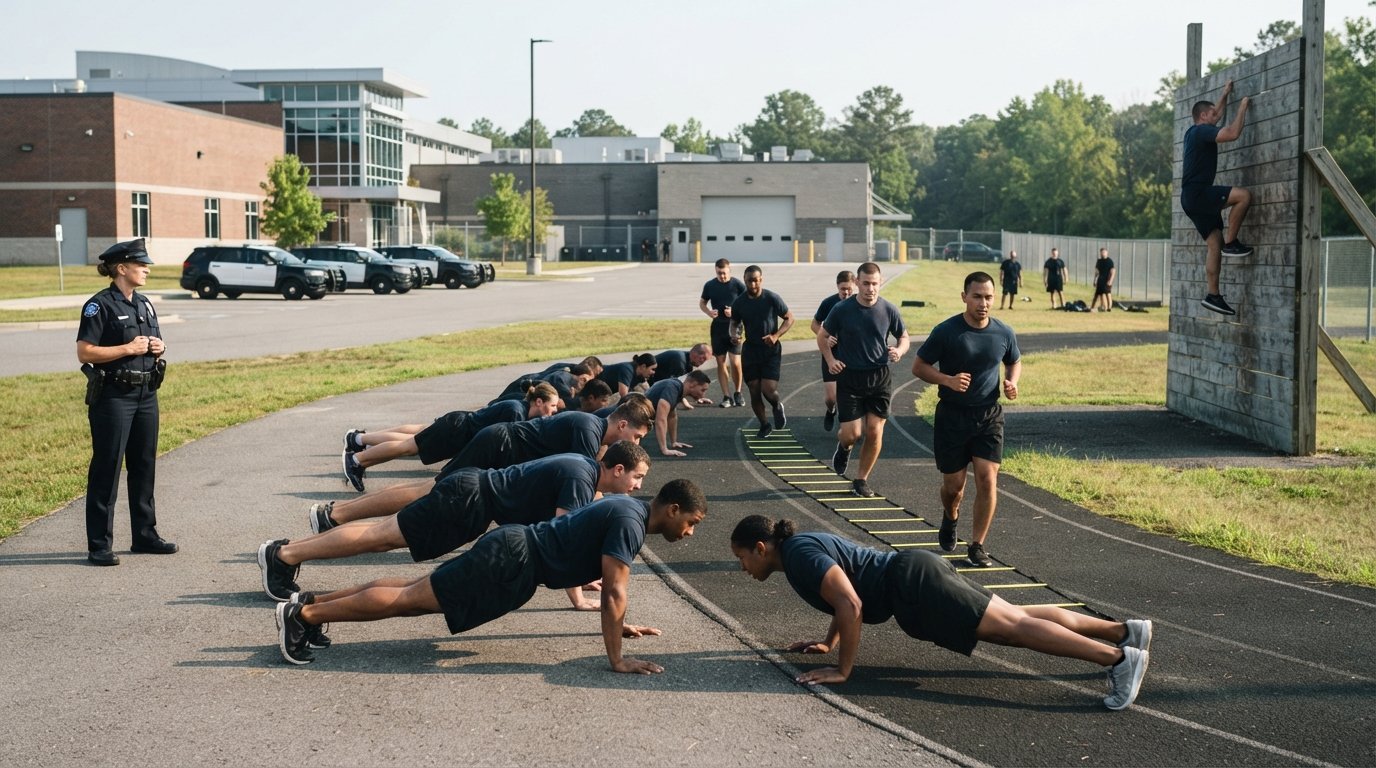
Once hired, most officers must complete a police academy program, which is a rigorous combination of classroom instruction and physical training. Academy length varies by state, typically ranging from 12 to 24 weeks. Some agencies send recruits to a regional academy, while others run their own.
Academy training covers constitutional law, criminal law, patrol procedures, report writing, de-escalation, firearms, defensive tactics, emergency driving, and community policing. You will also complete physical fitness tests and scenario-based exercises. Success requires discipline, teamwork, and the ability to perform under pressure. Many recruits find the academy demanding both mentally and physically, so preparing ahead with a fitness routine and study habits is wise.
After academy graduation, officers usually enter a field training program with an experienced officer. This probationary period lasts several months and evaluates your judgment in real-world situations. You will learn department policies, local procedures, and how to interact with the public professionally. Passing field training is a key milestone toward becoming a solo patrol officer.
Navigate the Hiring and Testing Process
The hiring process for police officers is thorough and often competitive. It typically includes multiple stages designed to assess your suitability for the role. Understanding the sequence helps you prepare and stay organized.
- Written examination: Tests reading comprehension, writing, and reasoning. Some departments use national standardized tests.
- Physical agility test: Assesses strength, endurance, and mobility through tasks like running, push-ups, and obstacle courses.
- Background investigation: Reviews criminal history, employment, driving record, credit, and references. Honesty is critical.
- Polygraph or voice stress analysis: Used by some agencies to verify information and integrity.
- Psychological and medical evaluations: Ensure you meet mental and physical health standards.
- Oral interview: A panel evaluates your communication, judgment, and motivation.
Each stage can eliminate candidates, so prepare carefully. Practice for the physical test, review sample written exams, and gather documentation for your background check. Be transparent about your history; discrepancies can disqualify you even if the underlying issue was minor. Many departments also offer practice sessions or information sessions that can help you understand expectations.
Plan Your Finances and Education Path
Financing your education and training is a practical concern for many aspiring officers. Police academies sponsored by departments are often free for recruits who are hired first, but self-sponsored academies can cost money. College coursework adds another expense. Exploring financial aid, scholarships, and employer tuition assistance programs can reduce the burden.
For students and families navigating higher education costs, resources like CollegeAndTuition provide guidance on financial aid, scholarships, and college planning. Understanding these options early helps you make informed decisions about degree programs that support your law enforcement career goals. Some departments also offer education incentives, such as tuition reimbursement or pay differentials for officers with degrees, so check with the agencies you are targeting.
If you are weighing different career paths, comparing the educational investment and time commitment is smart. The path to policing is generally shorter than careers in medicine or nursing, but it still requires dedicated preparation. Balancing work, school, and academy training demands planning, but many officers complete degrees part-time or before applying.
Develop the Qualities Departments Look For
Beyond meeting minimum requirements, successful candidates demonstrate specific qualities that predict good policing. Departments look for integrity, sound judgment, empathy, cultural awareness, and the ability to communicate clearly under stress. These traits are assessed throughout testing and interviews, and they matter on the job every day.
You can build these qualities through life experience. Volunteer with community organizations, work in customer-facing roles, or participate in team sports. Seek feedback on your communication style and practice resolving conflicts calmly. Physical fitness is also a lifelong habit; maintaining a healthy lifestyle helps you pass tests and perform safely on duty.
Consider starting in a related role such as a police dispatcher, community service officer, or correctional officer. These positions provide exposure to the criminal justice system and can strengthen your application. Some departments promote from within, so beginning in a support role can be a strategic entry point.
Advance Your Career After Becoming an Officer
Once you are sworn in, your career can grow in many directions. Officers often pursue specialized assignments such as detective, K-9 handler, traffic, cybercrime, or SWAT. Advancement may require additional training, certifications, or degrees. Many departments encourage continuing education and offer opportunities for promotion to sergeant, lieutenant, and beyond.
Networking within your department and across agencies helps you learn about specialties and openings. Keeping your skills current through in-service training and professional development is essential. Some officers eventually move into training roles, community policing, or administrative positions. The skills you build as an officer, including communication, investigation, and leadership, are transferable to other public safety and security careers.
As you plan your long-term path, revisit your education and training goals periodically. Whether you aim for a degree in criminal justice or leadership, aligning your learning with your career ambitions keeps you competitive. The journey to becoming a police officer is demanding, but with preparation and persistence, it opens a stable and meaningful career in public service.
Sponsored school listings are unavailable
This block is reserved for sponsored schools from the education listing partner. That connection is not set up for this site, so no school names, program offers, or request form can be shown.