
Wildlife Biologist Career Path: Steps, Degrees, and Outlook
The wildlife biologist career path combines field science, graduate study, and seasonal work. See the degrees, experience, and salary outlook at each stage.

By Lan Zhao
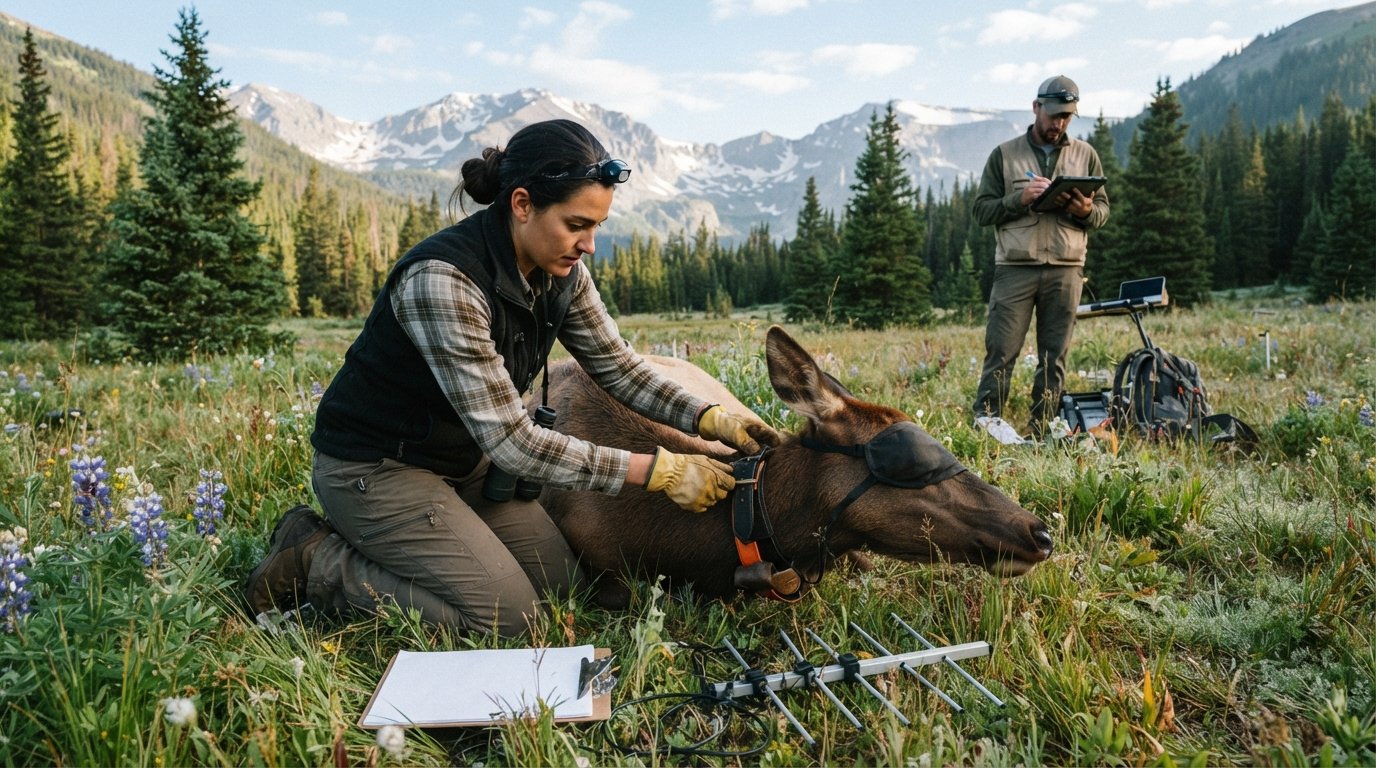
Few careers offer the chance to spend a Tuesday morning radio-collaring elk in a mountain meadow and a Friday afternoon analyzing population data in a lab. Wildlife biology sits at the intersection of field adventure and rigorous science, and it attracts people who want to understand how animals interact with their habitats and how human activity shapes those relationships. The wildlife biologist career path is competitive, but it is also structured: there are clear educational milestones, common entry points, and well-defined advancement routes. This guide walks through each stage, from high school coursework to senior research roles, so you can plan your own route with realistic expectations.
What a Wildlife Biologist Actually Does
Wildlife biologists study animals in their natural environments, but the job title can cover a wide range of daily work. Some professionals spend most of their time in the field, conducting population surveys, tagging animals, or collecting tissue samples. Others work primarily with geographic information systems, statistical models, and policy documents. Most split their time across several activities, and the balance shifts with the seasons and the employer.
Typical responsibilities include estimating population sizes, assessing habitat quality, evaluating the effects of development or climate change, and designing management plans for species of concern. Federal and state agencies often hire wildlife biologists to review permits, monitor endangered species, and advise on land-use decisions. Private consulting firms hire them to conduct environmental impact assessments before construction projects. Nonprofits and universities employ them for research and conservation programs. If you are still exploring science-based careers more broadly, a resource like this psychology degree career guide shows how other science and social science paths compare in terms of daily duties and required credentials.
Work settings vary just as much. A biologist with a state fish and wildlife agency might rotate between remote field sites, regional offices, and public meetings. A university researcher might teach one semester and spend the summer running a field camp. A consultant might travel to project sites across several states. The common thread is that the work rarely stays inside a single building, and the ability to tolerate heat, cold, insects, and long hours outdoors matters as much as academic preparation.
The Educational Foundation: Degrees and Coursework
The wildlife biologist career path almost always begins with a bachelor's degree in wildlife biology, zoology, ecology, conservation biology, or a closely related field. Coursework typically includes general biology, ecology, genetics, statistics, and at least one course in wildlife management or conservation policy. Many programs also require chemistry and physics, because biological systems cannot be understood without a foundation in the physical sciences.
Beyond the core science requirements, several skills separate strong candidates from the pack. Quantitative ability is increasingly important, since modern wildlife management relies on statistical modeling and data analysis. Communication skills matter too, because biologists routinely explain technical findings to landowners, policymakers, and the public. Students who take courses in technical writing, public speaking, or environmental policy gain an edge in the job market.
Field experience is not optional. Employers expect to see hands-on work with animals or habitats, whether through summer internships, undergraduate research assistantships, or volunteer positions with local conservation groups. A student who graduates with a strong GPA but no field experience will struggle to compete against applicants who have already handled mist nets, tracked radio signals, or conducted vegetation surveys.
Graduate degrees become important for advancement. A master's degree is often the minimum credential for research-focused positions, and a Ph.D. is typically required for university faculty roles or senior scientist positions in large agencies. Many biologists work for several years after their bachelor's degree before returning to graduate school, which allows them to clarify their research interests and build professional networks.
Gaining Experience: Internships, Volunteering, and Entry-Level Roles
The transition from student to professional is the most challenging part of the wildlife biologist career path for many people. Entry-level positions are competitive, and they often pay modestly. The good news is that the field rewards persistence and strategic experience-building. The following steps outline a practical sequence for building a competitive profile.
- Complete at least one formal internship with a wildlife agency, research station, or conservation nonprofit. These programs often provide housing and a stipend, and they introduce you to the professional networks that matter.
- Volunteer for local monitoring projects, such as bird banding stations, amphibian surveys, or habitat restoration days. These experiences demonstrate commitment and provide concrete skills to list on a resume.
- Pursue seasonal technician jobs after graduation. Many state and federal agencies hire seasonal wildlife technicians for survey and monitoring work, and these positions serve as a common entry point into permanent roles.
- Build a portfolio of technical skills, including GIS mapping, statistical software, and field identification of regional species. Document these skills in your applications and interviews.
Seasonal work is a rite of passage in this field. It is common for biologists to string together several seasonal positions across different states or ecosystems before landing a permanent job. Each season adds a new species, habitat, or technique to your skill set, and supervisors who see repeated seasonal service often become references for permanent positions. The instability of seasonal work can be difficult, but it is also one of the most effective ways to explore different specialties before committing to one.
Financial planning during this stage deserves attention. Seasonal positions rarely include benefits, and relocation costs can add up. Students entering the field should explore scholarship opportunities early, and resources such as Scholarship.Education can help identify funding for undergraduate and graduate study that reduces reliance on loans during the low-income early career years.
Specializations and Advancement Routes
Wildlife biology is broad, and most professionals eventually focus on a particular area. Choosing a specialization shapes the types of employers you will target and the additional training you may need. Common specializations include the following.
- Game species management: working with hunted species such as deer, elk, and waterfowl, often for state agencies.
- Non-game and endangered species: focusing on conservation of protected species, often with federal agencies or nonprofits.
- Habitat and ecosystem management: assessing land use, restoration, and landscape-level planning.
- Wildlife disease and physiology: studying health, genetics, and physiological responses to environmental change.
- Human-wildlife conflict: developing strategies to reduce conflicts between animals and communities.
Advancement usually follows one of two tracks. The management track moves from technician to biologist to supervisor to program manager, with increasing responsibility for budgets, staff, and policy decisions. The research track moves from field assistant to research biologist to principal investigator, often requiring a graduate degree and a record of peer-reviewed publications. Some biologists move into education and outreach, regulatory compliance, or consulting, where their scientific training is applied to business or legal contexts.
Certification can strengthen a resume at any stage. The Wildlife Society offers professional certification programs that signal competence to employers, and many agencies recognize these credentials during hiring. Continuing education in statistics, GIS, and emerging technologies such as remote sensing and environmental DNA keeps experienced biologists competitive as the field evolves.
Salary Expectations and Job Outlook
Compensation in wildlife biology varies significantly by employer, location, and experience level. Entry-level seasonal technicians often earn modest hourly wages, while permanent biologists with state or federal agencies earn salaries that are competitive with other scientific positions in the public sector. Biologists in private consulting or senior research roles can earn considerably more, particularly those with advanced degrees and specialized expertise.
Job growth in this field is generally tied to public funding for conservation, environmental regulation, and land management. Demand for wildlife biologists tends to be steadier in government agencies than in the private sector, though consulting firms that serve energy, transportation, and development clients also hire steadily. Competition for permanent positions remains strong, which makes graduate education, specialized skills, and professional networking important differentiators.
Geographic flexibility is a significant advantage. Biologists who are willing to relocate to rural areas, remote field stations, or states with active wildlife agencies have access to more opportunities. Those who need to stay in a particular city or region may find fewer openings and should plan accordingly, possibly by building experience in urban ecology or environmental education roles that exist closer to population centers.
Building a Long-Term Career in Wildlife Biology
Sustaining a long career in this field requires more than scientific knowledge. Professionals who thrive tend to be adaptable, comfortable with uncertainty, and skilled at building relationships across agencies, universities, and communities. Mentorship matters as well: finding a senior biologist who can advise on career decisions, review grant proposals, and introduce you to collaborators can accelerate your progress significantly.
If you are considering this path alongside other science or social science options, comparing day-to-day duties and credential requirements across fields is a useful exercise. The psychology degree career paths overview offers a parallel look at how another popular degree translates into specific jobs, which can help you decide whether wildlife biology matches your interests and tolerance for field conditions.
Ultimately, the wildlife biologist career path rewards people who are genuinely curious about the natural world and willing to invest in the long educational and experiential runway it requires. The work can be physically demanding and financially modest in the early years, but it offers something rare: a career spent contributing to the conservation of species and ecosystems that will outlast any single project.
Sponsored school listings are unavailable
This block is reserved for sponsored schools from the education listing partner. That connection is not set up for this site, so no school names, program offers, or request form can be shown.