
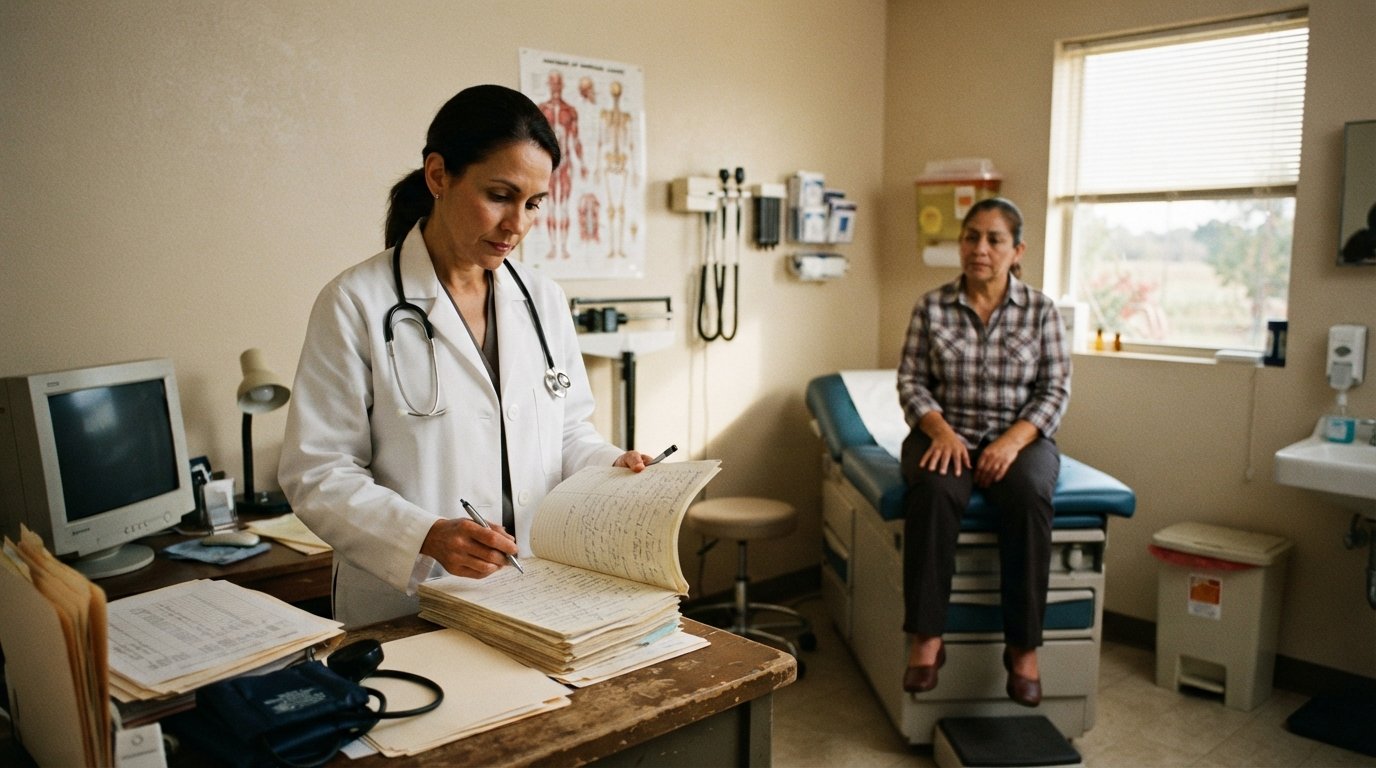
Physician Job Outlook and Shortage Areas for 2026
The physician job outlook shows strong demand with primary care, psychiatry, and rural areas facing the biggest shortages, creating clear opportunities for new doctors.

Physicians remain among the most in-demand professionals in the United States, but the demand is not evenly distributed. The national conversation about a doctor shortage often focuses on primary care, yet the reality is more nuanced: some specialties face acute shortfalls, rural communities struggle to attract any physicians at all, and certain regions have more applicants than openings. For anyone considering a medical career, understanding where the need is greatest can shape everything from residency choices to long-term earning potential. This guide breaks down the current physician job outlook, identifies the shortage areas that matter most, and explains how training pathways connect to these opportunities.
The Big Picture: Why Physician Demand Keeps Rising
The United States is aging, and that single demographic fact drives much of the physician job outlook. As the baby boomer generation moves deeper into retirement years, they require more medical care, more specialist visits, and more chronic disease management. At the same time, many physicians in that same generation are themselves approaching retirement, creating a double squeeze: more patients needing care and fewer doctors to provide it. The Association of American Medical Colleges has projected a shortfall of tens of thousands of physicians by the early 2030s, and while exact numbers vary by methodology, the directional trend is consistent across analyses.
Beyond demographics, several structural factors amplify demand. Expanded insurance coverage means more people seek preventive care and treatment they previously delayed. Advances in medical technology allow physicians to treat conditions that were once untreatable, extending both lifespan and the period during which people need medical services. And the growing recognition of mental health and behavioral health as essential components of overall well-being has increased demand for psychiatrists and related specialists. These forces combine to create a job market where physicians with the right training and willingness to practice in underserved areas can command strong salaries and significant bargaining power.
For students mapping out their educational journey, this environment is encouraging but also demanding. Medical school remains competitive, residency slots are limited in certain specialties, and the path from undergraduate study to independent practice takes at least seven years after college. The good news is that the investment tends to pay off: physician compensation remains among the highest of any profession, and the job security associated with medical practice is substantial. If you are still exploring healthcare careers, our guide on nursing job outlook and demand trends offers a useful comparison point for understanding how different healthcare roles fit together.
Primary Care: The Persistent Shortage Area
Primary care, which includes family medicine, general internal medicine, and pediatrics, is consistently identified as the most significant shortage area in American medicine. Primary care physicians serve as the entry point to the healthcare system, managing chronic conditions, coordinating care among specialists, and providing preventive services that reduce long-term costs. Yet fewer medical school graduates choose primary care than the system needs, often because of lower reimbursement rates compared to procedural specialties and the administrative burden of running a practice.
The shortage is most acute in rural and low-income urban areas. Communities with fewer than 10,000 residents frequently have no primary care physician at all, forcing patients to drive long distances or rely on emergency departments for routine care. Health professional shortage areas, designated by the federal government, identify regions where the ratio of primary care physicians to population falls below acceptable thresholds. These designations matter for physicians because they unlock loan repayment programs, visa waivers for international medical graduates, and other incentives designed to attract doctors to underserved communities.
For physicians willing to practice in these areas, the financial and professional rewards can be substantial. Loan forgiveness programs can eliminate six-figure educational debt. Signing bonuses are common. And the breadth of practice in rural settings, where a family physician might deliver babies, treat fractures, and manage complex chronic diseases in a single day, appeals to doctors who want variety and autonomy. The trade-offs include professional isolation, limited specialist support, and the challenges of living in areas with fewer amenities, but for many physicians, the combination of meaningful work and financial incentives is compelling.
Specialty Shortages: Where the Gaps Are Widest
While primary care garners the most attention, several specialties face even more severe shortages relative to demand. Psychiatry stands out: the United States has far fewer psychiatrists than it needs, and the gap is widening as mental health awareness grows and stigma declines. Patients in many areas wait months for a psychiatric appointment, and emergency departments routinely board patients awaiting psychiatric evaluation because no inpatient beds are available. For medical students interested in mental health, psychiatry offers a combination of high demand, flexible practice options (including telepsychiatry), and meaningful impact.
Other specialties with notable shortages include:
- Neurology: An aging population means more strokes, dementia, and Parkinson's disease, but the number of neurologists is not keeping pace.
- Geriatrics: Fewer than half of geriatric medicine fellowship positions fill each year, even as the population over 65 grows rapidly.
- General surgery: Rural areas struggle to recruit surgeons, and many general surgeons are approaching retirement age.
- Emergency medicine: While urban areas may have adequate coverage, rural emergency departments often rely on locum tenens physicians or struggle to staff shifts.
- Pathology: An aging workforce and rising cancer caseloads create demand for pathologists, particularly in community hospital settings.
These specialty shortages create strategic opportunities for medical students. Choosing a residency in a shortage field can mean more job offers, higher starting salaries, and greater leverage in negotiating practice arrangements. It can also mean more demanding working conditions, since shortage areas often require physicians to see more patients or cover more call than they might in better-staffed environments. The key is to weigh the professional and financial benefits against the lifestyle implications, ideally during clinical rotations when students can experience these settings firsthand.
Geographic Disparities: Rural Versus Urban
The physician shortage is not a single national problem but a patchwork of local crises. Urban areas with academic medical centers and robust healthcare systems generally have adequate physician supply, though even there, low-income neighborhoods may be underserved. Rural areas, by contrast, face chronic shortages across nearly every specialty. The reasons are well documented: rural hospitals close, limiting practice opportunities; spousal employment options are limited; schools and cultural amenities may be less robust; and professional isolation can be acute.
Federal and state programs have attempted to address these disparities through loan repayment, rural training tracks in medical schools, and expanded scope of practice for nurse practitioners and physician assistants. These efforts help, but they have not eliminated the gap. For physicians who genuinely enjoy rural life, the opportunities are exceptional. A family physician in a small town can build a practice quickly, become a community leader, and earn a comfortable living while enjoying a lower cost of living than their urban counterparts. The challenge is that not enough physicians find rural practice appealing, which is why shortage designations persist despite generous incentives.
Understanding these geographic dynamics is essential for anyone planning a medical career. The job outlook is not just about whether there will be jobs, but where those jobs will be and what they will require. Physicians who are flexible about location and willing to consider communities they might not have initially envisioned often find the strongest opportunities. For those who prefer urban practice, the competition is fiercer, but positions in shortage specialties within urban safety-net hospitals remain available.
How Training Pathways Connect to Shortage Areas
The path from college to independent practice is long and structured, and each step influences where a physician ultimately works. Medical school admissions committees increasingly value demonstrated commitment to underserved populations, and many schools offer rural or urban underserved tracks that provide clinical exposure in shortage areas. Residency programs in shortage specialties often have unfilled positions, meaning applicants have more leverage than they might in competitive fields like dermatology or orthopedic surgery.
Loan repayment programs tied to service in shortage areas can dramatically alter the financial calculus of a medical career. The National Health Service Corps, state-level programs, and institutional initiatives offer substantial repayment in exchange for committing to practice in designated shortage areas for a set number of years. For students concerned about educational debt, these programs can make the difference between choosing a lower-paying primary care specialty and pursuing a more lucrative but less needed field. Exploring scholarship and financial aid opportunities early in the educational journey can also reduce debt burden; resources like Scholarship.Education's financial aid database help students identify funding that makes medical training more affordable.
Residency choice is perhaps the single most consequential decision for physicians aiming to work in shortage areas. Family medicine residencies, internal medicine primary care tracks, and psychiatry programs produce graduates who are well positioned for shortage-area practice. Fellowships in geriatrics or addiction medicine further specialize physicians for populations with acute needs. Conversely, subspecialties like interventional cardiology or plastic surgery, while lucrative, do not address the most pressing shortages and tend to concentrate in urban markets.
Financial Incentives and Compensation Trends
Physician compensation varies widely by specialty, geography, and practice setting, but the overall trend is upward. Primary care physicians earn median salaries in the low to mid $200,000s, while specialists often earn $300,000 to $500,000 or more depending on the field. Shortage specialties sometimes offer premium compensation to attract candidates, particularly in rural areas where signing bonuses and loan repayment packages can add tens of thousands of dollars to first-year earnings.
The compensation picture is not just about salary. Benefits, malpractice coverage, retirement contributions, and practice ownership opportunities all affect total compensation. Rural practices sometimes offer partnership tracks that allow physicians to build equity in a practice, a path that is increasingly rare in urban employment models. Understanding these nuances is important for physicians evaluating job offers, especially in shortage areas where the non-salary components of an offer may be negotiable.
For those considering the broader economics of healthcare careers, our analysis of the economist job outlook and salary trends provides a useful comparison for understanding how compensation and demand interact in another analytical profession. The dynamics differ, but the principle is similar: demand for specialized expertise drives compensation, and shortages create leverage for workers.
What the Outlook Means for Aspiring Physicians
For students considering medical school, the physician job outlook is genuinely strong, but the path requires careful planning. The shortage areas, primary care, psychiatry, geriatrics, and rural practice, are not secrets, and the incentives designed to fill them are substantial. Yet many medical students still gravitate toward competitive specialties in urban areas, which means the shortages persist and the opportunities for those who choose differently remain exceptional.
The most important steps for aspiring physicians are to explore the full range of medical careers, understand the training requirements for different specialties, and consider how their personal priorities align with the areas of greatest need. Medical school is expensive and demanding, but the return on investment is high for those who complete training and practice in fields where demand exceeds supply. The key is to make informed choices about specialty and location rather than defaulting to what seems most prestigious or familiar.
For those still in the exploration phase, careers.org offers resources to compare educational programs and understand the training pathways for various healthcare roles. Whether the goal is medical school, nursing, or another healthcare profession, the common thread is that demand for skilled clinicians is not going away. The physician shortage is a challenge for the healthcare system, but for individual physicians, it is also an opportunity to build a rewarding career in a field where their skills are genuinely needed.
Sponsored school listings are unavailable
This block is reserved for sponsored schools from the education listing partner. That connection is not set up for this site, so no school names, program offers, or request form can be shown.