
How to Become a Park Ranger: Steps and Career Paths
Plan your path to a park ranger career with the right degree, hands-on park experience, and certifications that get you hired.

By Lan Zhao
Working as a park ranger is one of the most rewarding ways to combine a passion for the outdoors with a stable public service career. Whether you picture yourself leading nature walks through old-growth forests, patrolling backcountry trails, or helping visitors understand the ecology of a national park, the path to this role is more structured than many people realize. Park ranger jobs are competitive, and the people who land them usually plan ahead, gain relevant experience early, and understand exactly which education and certifications hiring managers expect. This guide walks you through how to become a park ranger step by step, from choosing a degree to building a resume that stands out in a crowded applicant pool.
What Park Rangers Actually Do
Before you commit to a degree or a training program, it helps to understand the range of work covered by the park ranger title. Rangers are not a single job. Depending on the agency and the specific position, a ranger might spend most of the day interpreting natural and cultural history for visitors, enforcing park regulations, managing wildlife and habitats, or coordinating emergency response. The National Park Service alone divides ranger work into several distinct tracks, and state and local park systems add even more variety.
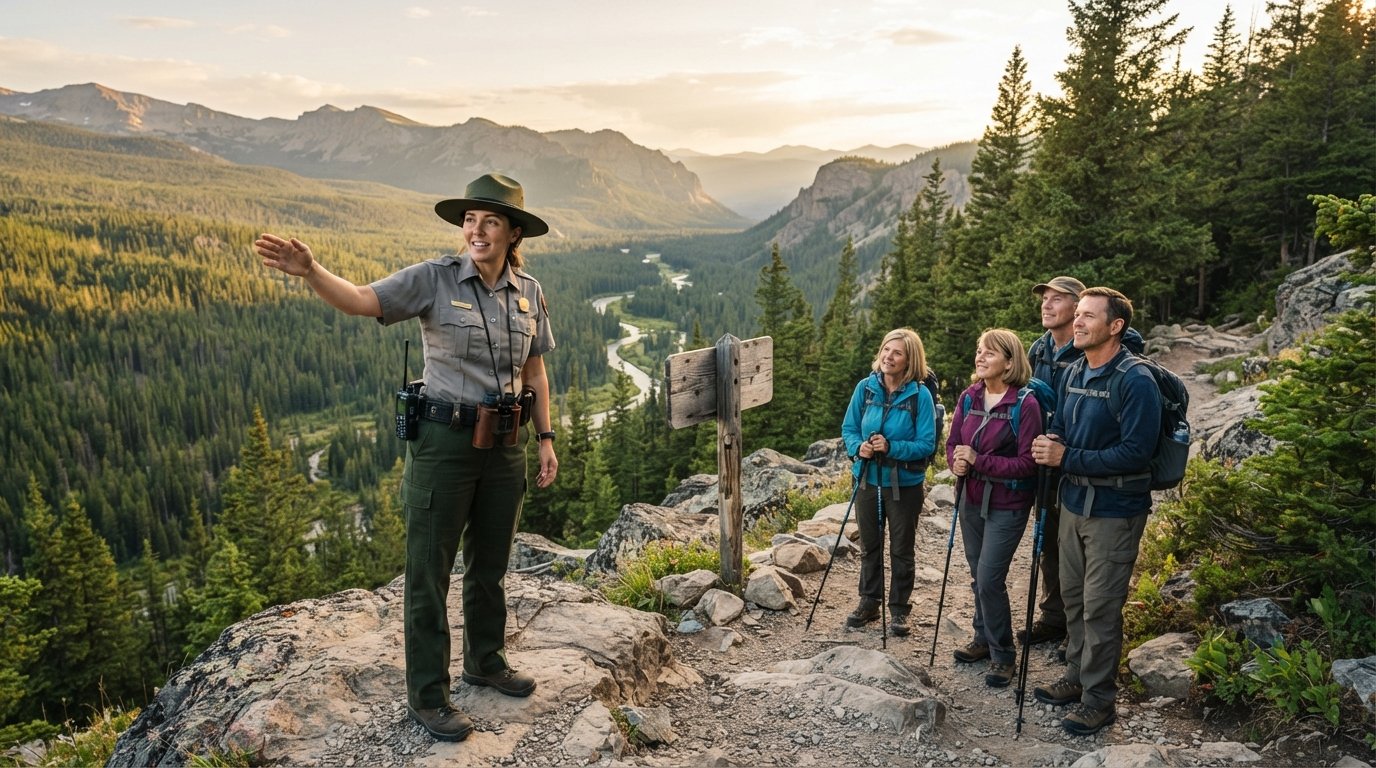
Interpretive rangers focus on education and public engagement. They lead guided hikes, staff visitor centers, develop exhibits, and give talks about geology, ecology, and local history. Law enforcement rangers carry firearms, make arrests, and investigate incidents, and they typically complete a federal law enforcement training program. Resource management rangers collect scientific data, restore habitats, and monitor wildlife populations. Many rangers blend two or three of these functions, especially in smaller parks where staff wear multiple hats.
Because the work varies so widely, the education and experience that make you competitive also vary. A future interpretive ranger might major in environmental education or history, while someone aiming for law enforcement will need training that mirrors police academy requirements. Understanding this distinction early saves time and money, and it helps you target the right programs instead of applying broadly and hoping something sticks.
Education Requirements and Degree Options
Most permanent park ranger positions require at least a bachelor's degree, though the specific major matters less than the overall fit with the job. Common majors include environmental science, biology, forestry, wildlife management, natural resource management, history, and environmental education. Some rangers enter through criminal justice programs, particularly those aiming for law enforcement roles. The key is to choose a degree that gives you both the scientific foundation and the communication skills the job demands.
Federal agencies, including the National Park Service, use a qualification standard that combines education and experience. For many ranger positions, a bachelor's degree qualifies you at the entry level, but relevant work experience can substitute for part of the education requirement. Seasonal jobs, internships, and volunteer work all count, which is why starting early matters so much. If you are still in high school, look for youth conservation corps programs and summer volunteer positions at nearby parks.
For students weighing different majors and their costs, it helps to understand how tuition, financial aid, and program length interact. Resources like CollegeAndTuition explain how families navigate higher education costs and compare program value, which is useful when you are deciding between an in-state natural resource program and a more expensive out-of-state option. The same planning logic applies when you compare online versus campus degrees, since some ranger hopefuls complete coursework remotely while working seasonal park jobs.
If you are exploring other public service careers as a backup or a stepping stone, our guide on how to become a registered nurse shows how structured licensing paths work in another field, and the same principle of planning backward from the job requirement applies to park ranger careers. Advanced degrees are rarely required for entry-level ranger work, but a master's degree can help if you want to move into park management, research, or supervisory roles later in your career.
Step-by-Step Path to a Park Ranger Job
The most reliable way to become a park ranger is to treat it like a multi-year project with clear milestones. Applicants who succeed usually follow a sequence that builds education, experience, and certifications in parallel. Here is a practical framework you can adapt to your own timeline.
- Earn a relevant bachelor's degree. Choose a major in natural resources, environmental science, biology, history, or criminal justice depending on the ranger track you want. Keep your GPA solid and take courses in ecology, interpretation, and public speaking.
- Gain hands-on park experience. Apply for seasonal ranger jobs, student conservation internships, or volunteer positions with federal, state, and local park agencies. Even one summer of front-line visitor contact strengthens your application significantly.
- Complete required certifications. Depending on the role, you may need first aid and CPR, wilderness first responder training, defensive driving, or firearms qualification for law enforcement positions. Many agencies provide this training after hire, but having it beforehand sets you apart.
- Apply through the right channels. Federal jobs are posted on USAJOBS, while state and local parks recruit through their own civil service systems. Read each announcement carefully and tailor your resume to the specific duties listed.
- Prepare for interviews and background checks. Ranger hiring includes structured interviews, reference checks, and, for law enforcement roles, drug testing and psychological evaluation. Start building a clean, documented work history early.
Following these steps in order matters because each one feeds the next. The internship you take sophomore year becomes the experience line that qualifies you for a seasonal job after graduation, and that seasonal job becomes the internal reference that helps you land a permanent position. Skipping the experience step is the most common reason qualified graduates fail to get hired, since agencies weigh practical park work heavily.
Building Experience Before You Apply
Park agencies value demonstrated comfort with the outdoors and with the public, and there is no substitute for real time on the job. Student Conservation Association internships, AmeriCorps positions, and seasonal maintenance or visitor services jobs all provide relevant experience. Many rangers start as seasonal employees and convert to permanent status after several successful seasons. This internal path is often easier than competing for permanent openings as an outside candidate.
Volunteer work counts too, especially when it involves interpretation, trail maintenance, or resource monitoring. Local nature centers, state parks, and nonprofit land trusts frequently need help and are happy to train reliable volunteers. Keep a detailed record of your hours, duties, and supervisors, because federal applications require specific documentation of experience. Vague descriptions like "helped at a park" will not survive a human resources review.
If you are still deciding whether a long professional program is worth it, our article on how long it takes to become a doctor illustrates how different careers trade time for specialization. Park ranger paths are far shorter, typically four years of college plus a season or two of experience, which makes them attractive for career changers who want to enter public service without a decade of training.
Certifications and Specialized Training
Beyond a degree, certain certifications make ranger candidates noticeably more competitive. These credentials signal that you can handle the physical and safety demands of park work, and some are prerequisites for specific jobs.
- Wilderness First Responder (WFR): Essential for backcountry and remote park positions, and often preferred even for front-country roles.
- CPR and First Aid: A baseline requirement for nearly every ranger job, including seasonal and volunteer positions.
- Defensive Driving and Emergency Vehicle Operation: Required for rangers who patrol roads or respond to incidents in park vehicles.
- Law Enforcement Training: Federal law enforcement rangers complete the Land Management Police Training program, while state rangers attend their state's academy.
- Interpretive Training: The National Association for Interpretation offers certified interpretive guide credentials that strengthen education-focused applications.
You do not need every certification before you apply, but earning the safety-related ones early shows commitment and reduces the training burden on your future employer. Check individual job announcements for required versus preferred credentials, and prioritize the ones that appear most often in postings you care about.
Finding and Applying for Ranger Positions
Federal ranger jobs are posted on USAJOBS, and the application process is notoriously detail-oriented. You must document your experience with specific dates, hours per week, and duties, and your resume should mirror the language of the job announcement. State park systems, county parks, and municipal recreation departments hire through their own portals, often with civil service exams. Nonprofit and tribal park operations add further options, and each has its own hiring rhythm.
Seasonal hiring typically peaks in late winter and early spring for summer positions, so set calendar reminders and prepare your application materials in advance. Permanent positions are posted year-round but attract large applicant pools, which is why internal candidates and veterans with preference often have an edge. Networking at professional conferences, volunteering with park friends groups, and connecting with rangers on professional networks can surface openings before they are widely advertised.
Interview preparation deserves real effort. Ranger panels often ask scenario questions about visitor conflicts, safety incidents, and resource protection, and they want to hear structured, safety-first answers. Practice describing your experience in concrete terms, and be ready to explain why you want to work for that specific agency or park.
Career Outlook and Advancement
Park ranger employment is expected to remain steady, with most growth coming from state and local park systems rather than federal agencies. Competition for permanent federal positions is strong, so flexibility about location and willingness to start seasonally improve your odds considerably. Rangers who gain law enforcement credentials, supervisory experience, or specialized resource management skills have the clearest advancement paths into park manager, district ranger, and agency leadership roles.
Salary varies widely by agency, location, and grade level. Entry-level federal rangers typically start at a modest general schedule grade, with pay increasing through promotions and cost-of-living adjustments. State and local systems vary more, and some offer housing or duty-station benefits that offset lower base pay. The non-monetary rewards, including working in iconic landscapes and doing meaningful public service, are a major reason people stay in the field for decades.
Career changers should note that many ranger skills transfer to adjacent roles in environmental education, outdoor recreation management, conservation nonprofits, and emergency management. Building a broad skill base makes you more resilient if a specific park job does not materialize on your preferred timeline.
Becoming a park ranger takes planning, but the path is clear: earn a relevant degree, accumulate real park experience, collect the right certifications, and apply strategically through the correct hiring channels. Start with one concrete step this month, whether that is researching degree programs, signing up for a wilderness first responder course, or submitting a volunteer application at a nearby park. Each step compounds, and the rangers who succeed are the ones who begin early and stay persistent.
Sponsored school listings are unavailable
This block is reserved for sponsored schools from the education listing partner. That connection is not set up for this site, so no school names, program offers, or request form can be shown.